


What Goa’s Monsoon Asks of a Home
For four months a year, Goa is wet. Not the occasional downpour of other cities, but weeks of rain, air that stays heavy between showers, and walls that never fully dry until October. A home built for a dry climate and placed here will show it within a year: damp patches, swollen doors, paint that lifts, a smell that will not leave the cupboards. A home built for the monsoon is a different object from the ground up.
In Goa the monsoon is not weather. It is a condition the building has to be designed for.
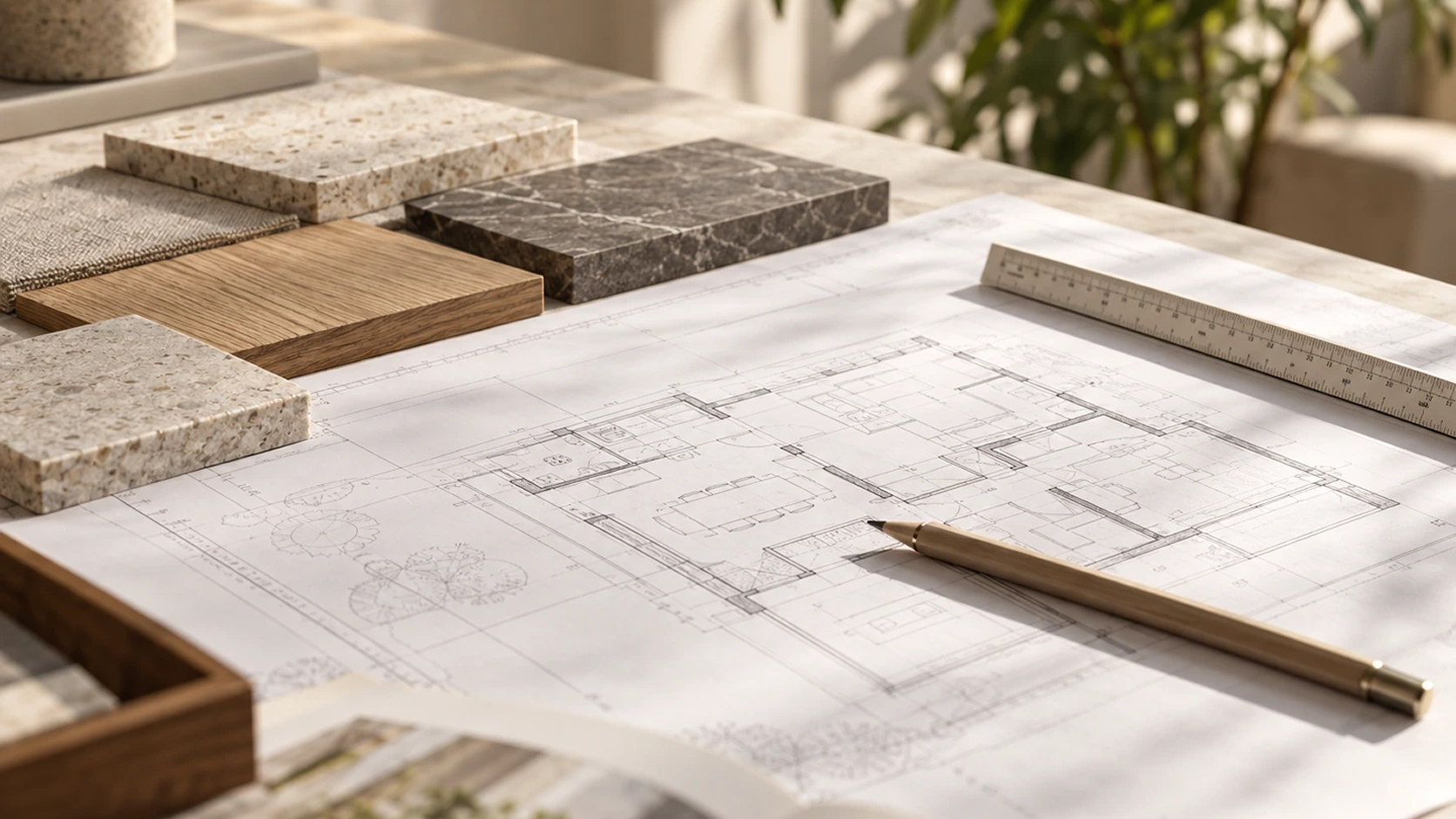
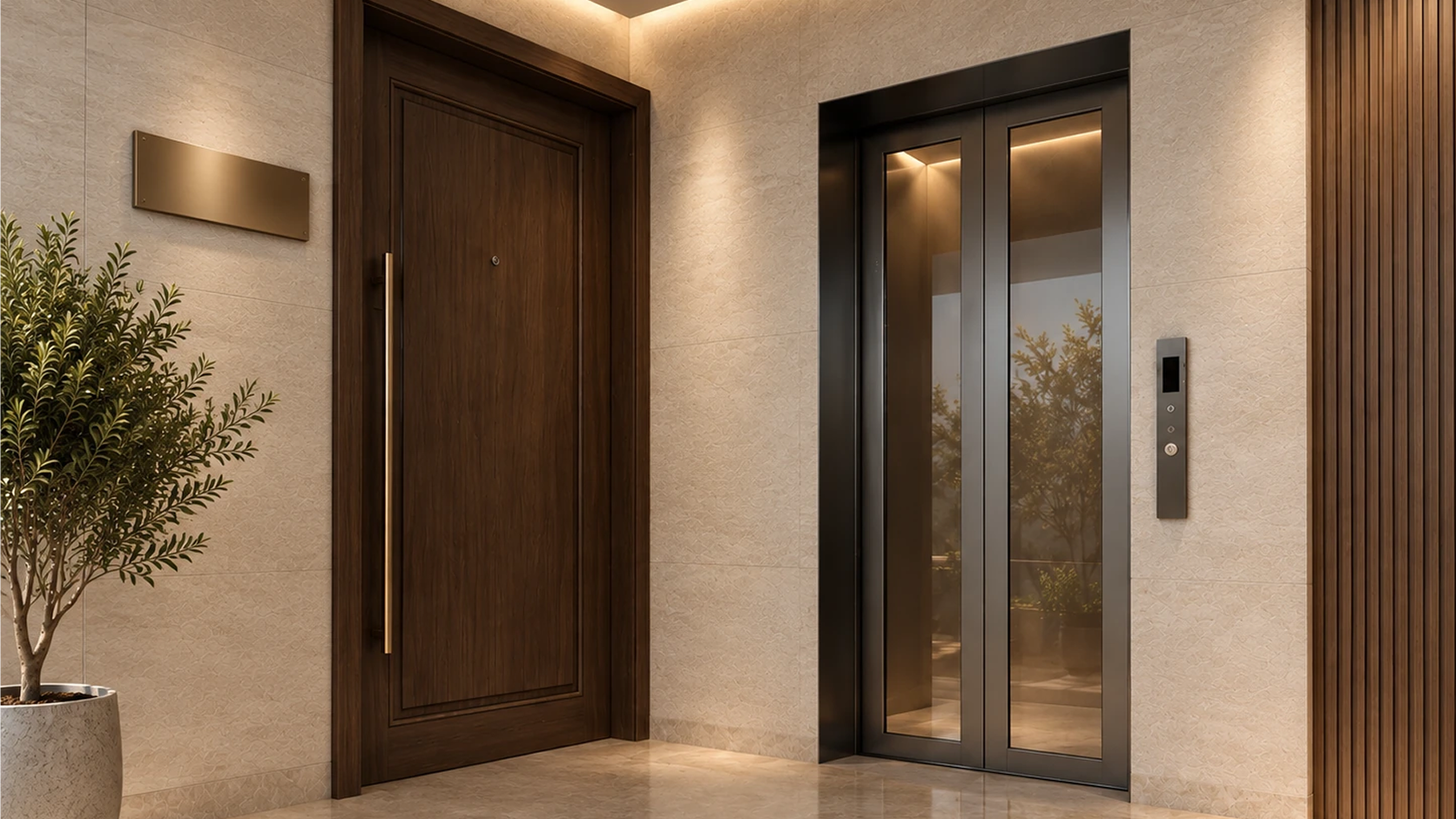
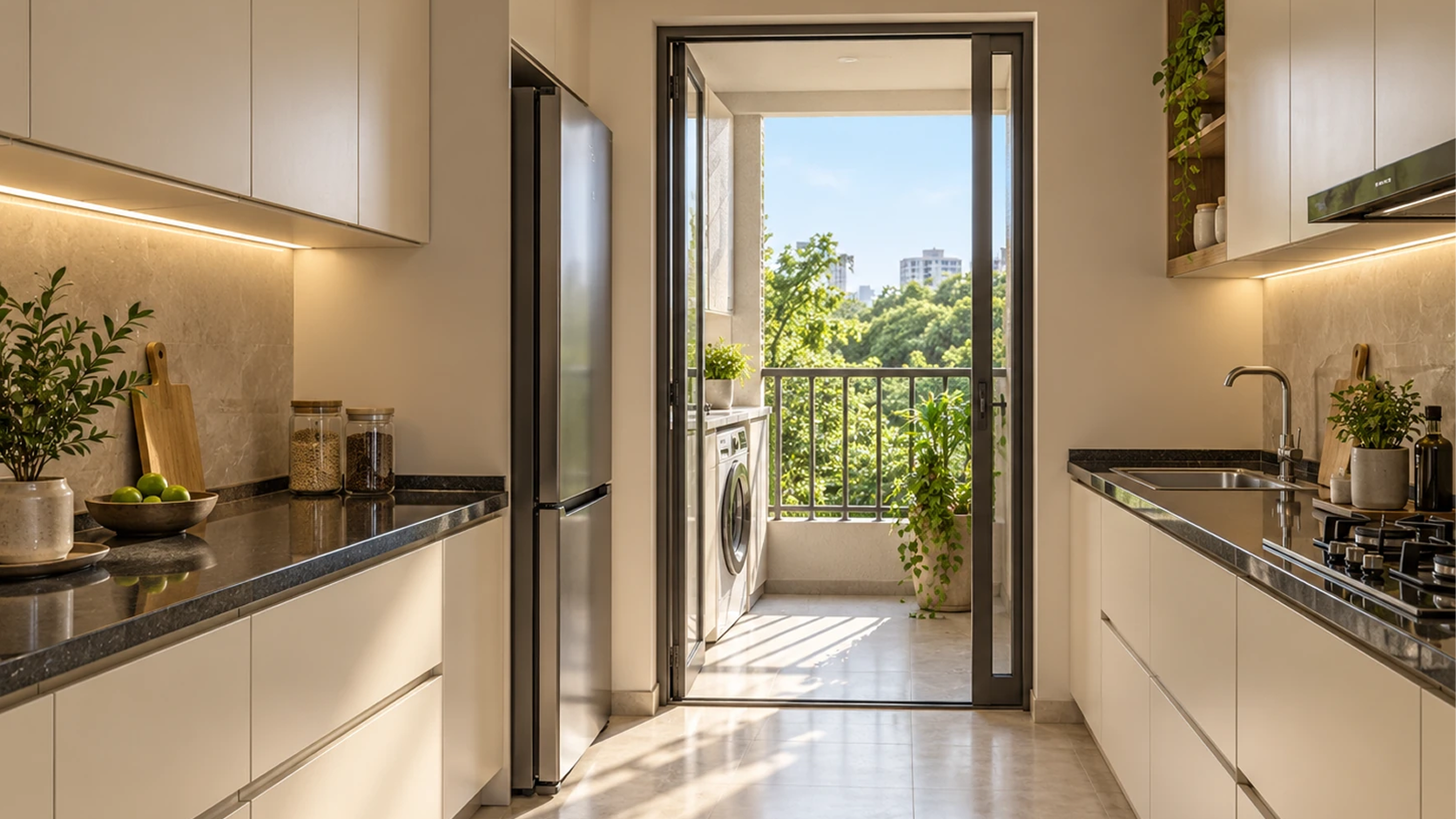
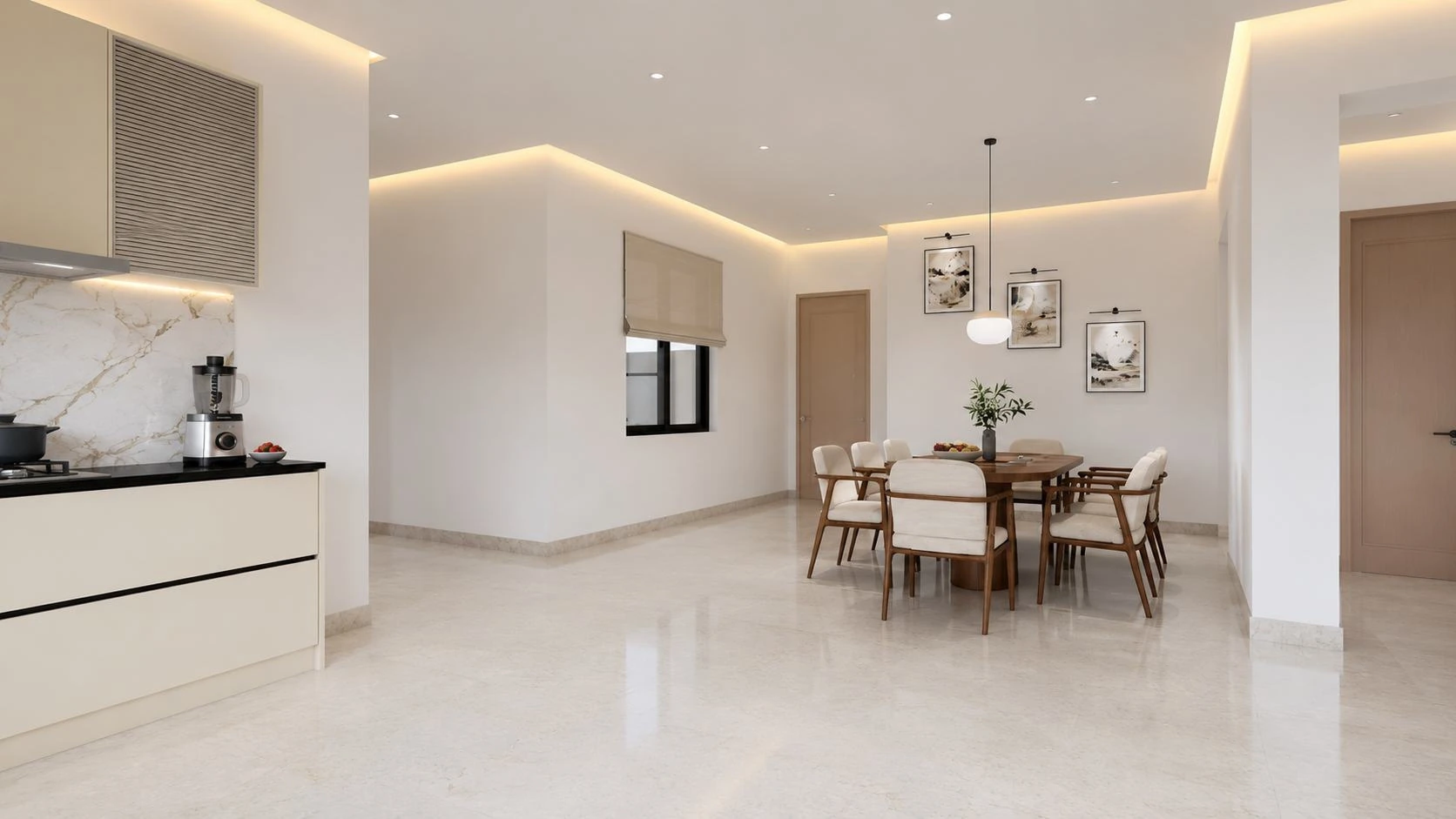
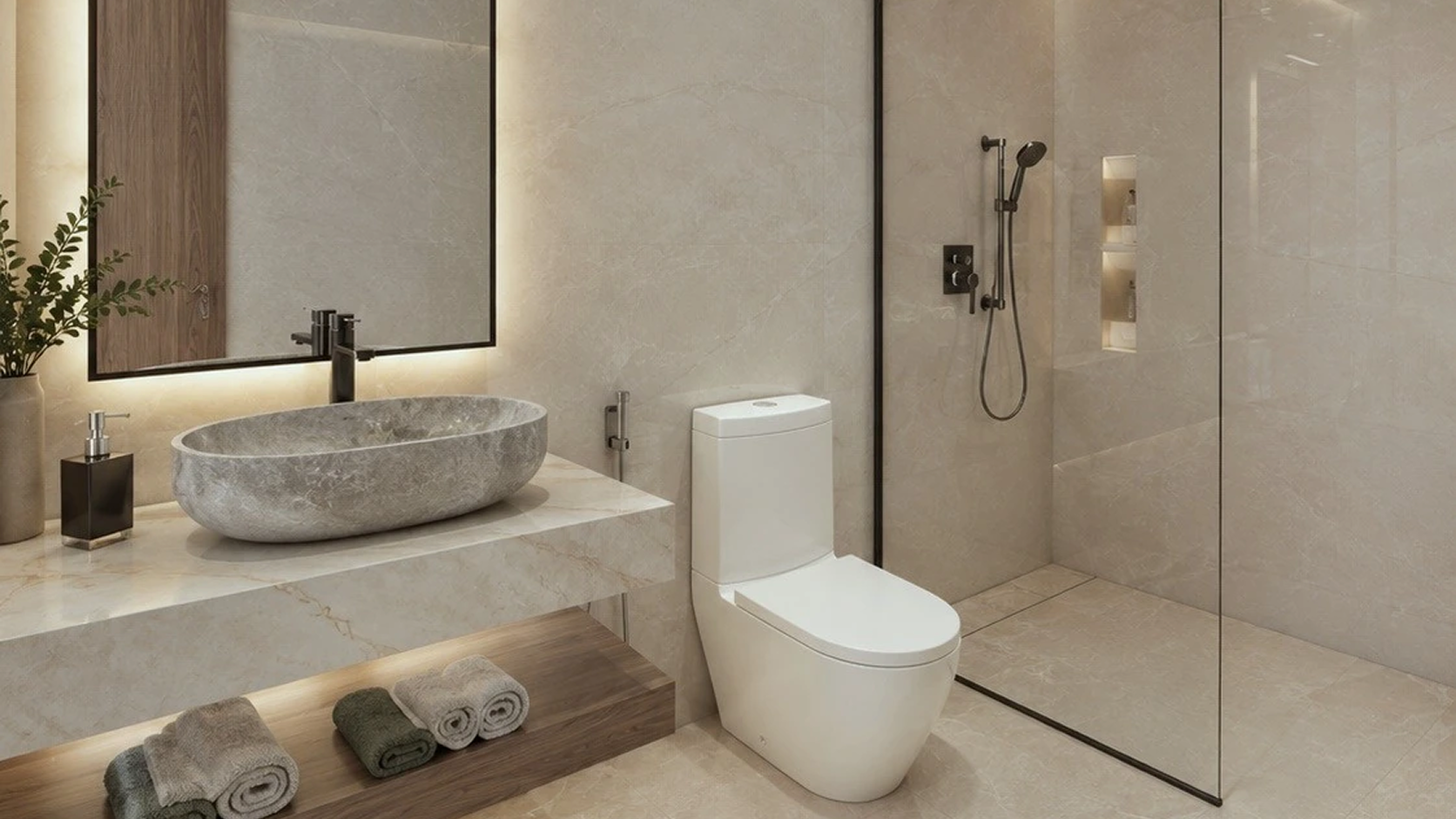
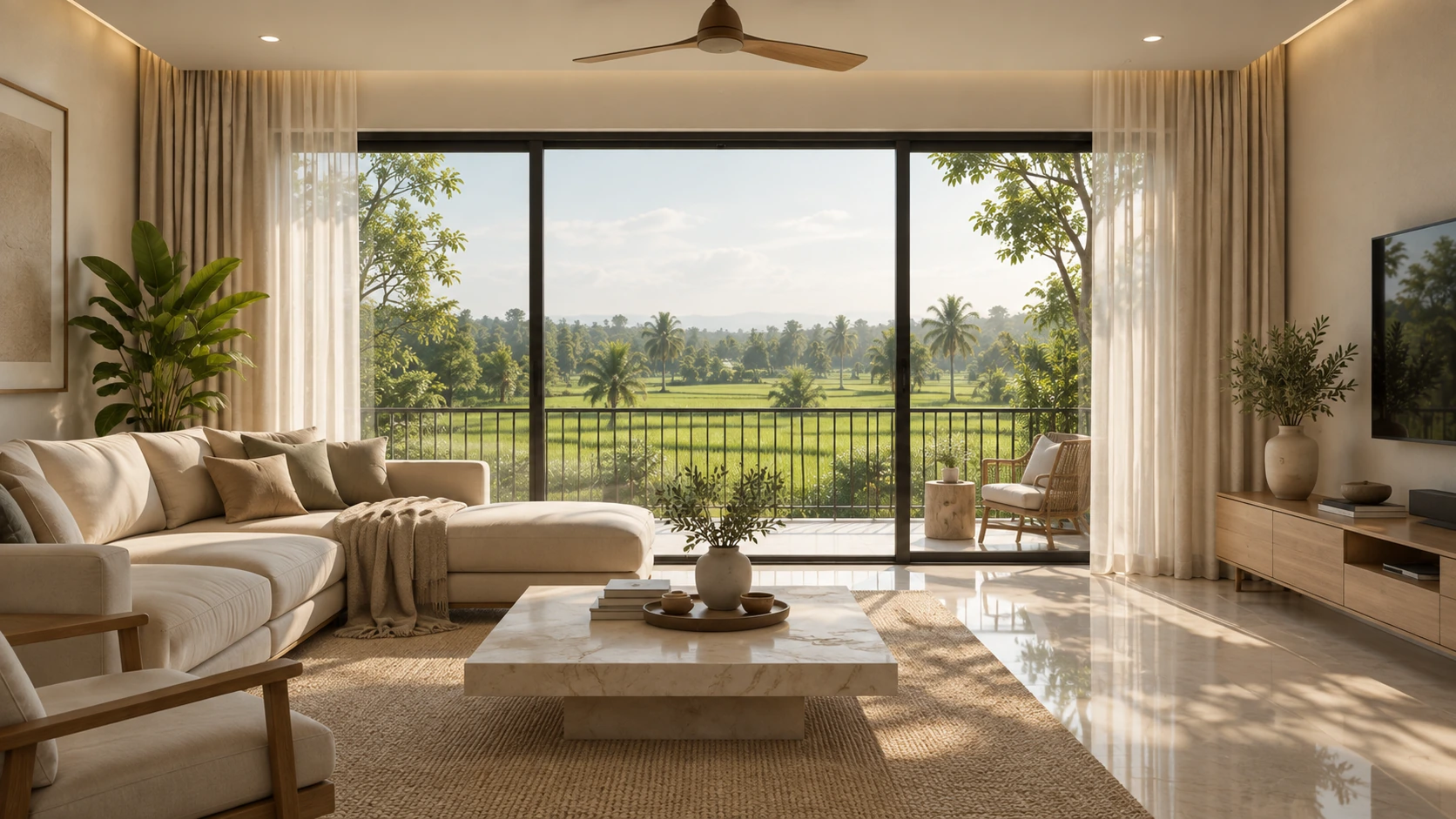
It starts with what the building is made of. Laterite, the local stone, has been used here for centuries because it breathes and copes with wet seasons better than most alternatives. Inside, surfaces have to tolerate humidity: marble and granite do; cheap laminate does not. Then detailing. Balconies need enough overhang to keep rain off the glass and the threshold, so doors can stay open during a shower rather than shut for the season. Bathrooms need glass partitions so water stays in the shower and the rest of the room dries. Washing needs a covered utility balcony, because nothing dries indoors in August. Meadows is planned around each of these, from the stone in the walls to the balcony off the kitchen.

“Be Awesome Today!”
The last part is honesty about maintenance. No building in Goa is maintenance-free, and anyone who says otherwise has not lived through a monsoon here. What good design does is keep the upkeep small and predictable: surfaces that wipe rather than repaint, drainage that works without attention, materials that age rather than fail. Ask about this when you visit any home, including ours. Arrange a visit to Meadows and we will walk you through it.
